When the Villain Was Actually Right
Movie villains aren't always wrong. From Killmonger to Magneto, discover the antagonists whose arguments might have been more convincing than the heroes'.
· 9 min read
Some movie villains are easy to understand. They want power, revenge, money, or control, and they're perfectly happy to hurt anyone who gets in their way. But every so often, a film gives its antagonist an argument that's a little harder to dismiss.
Maybe the hero has been ignoring a serious problem. Maybe the villain is pointing out an injustice everyone else has learned to live with. Or maybe they have a perfectly reasonable complaint and simply choose the worst possible way to deal with it.
That's what makes these characters so interesting. They aren't necessarily good people, and their actions are often impossible to defend. But buried underneath the threats, schemes, and dramatic speeches is an uncomfortable truth: sometimes the villain has a point.
Here are some movie villains whose arguments were a lot more convincing than the heroes wanted to admit.
Killmonger — Black Panther (2018)
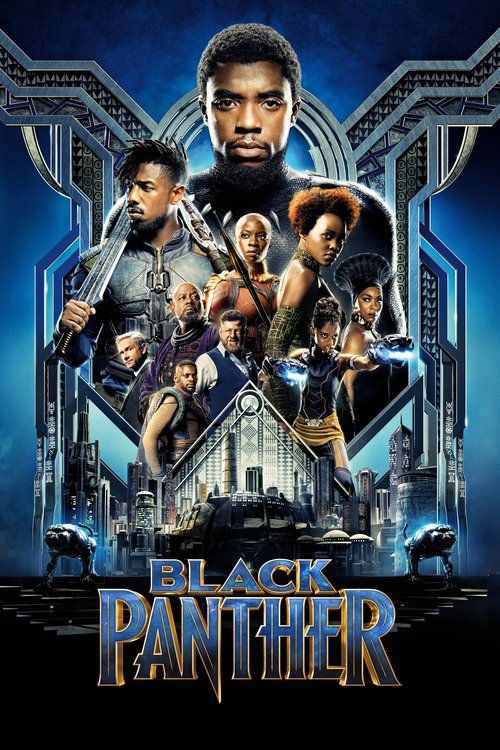
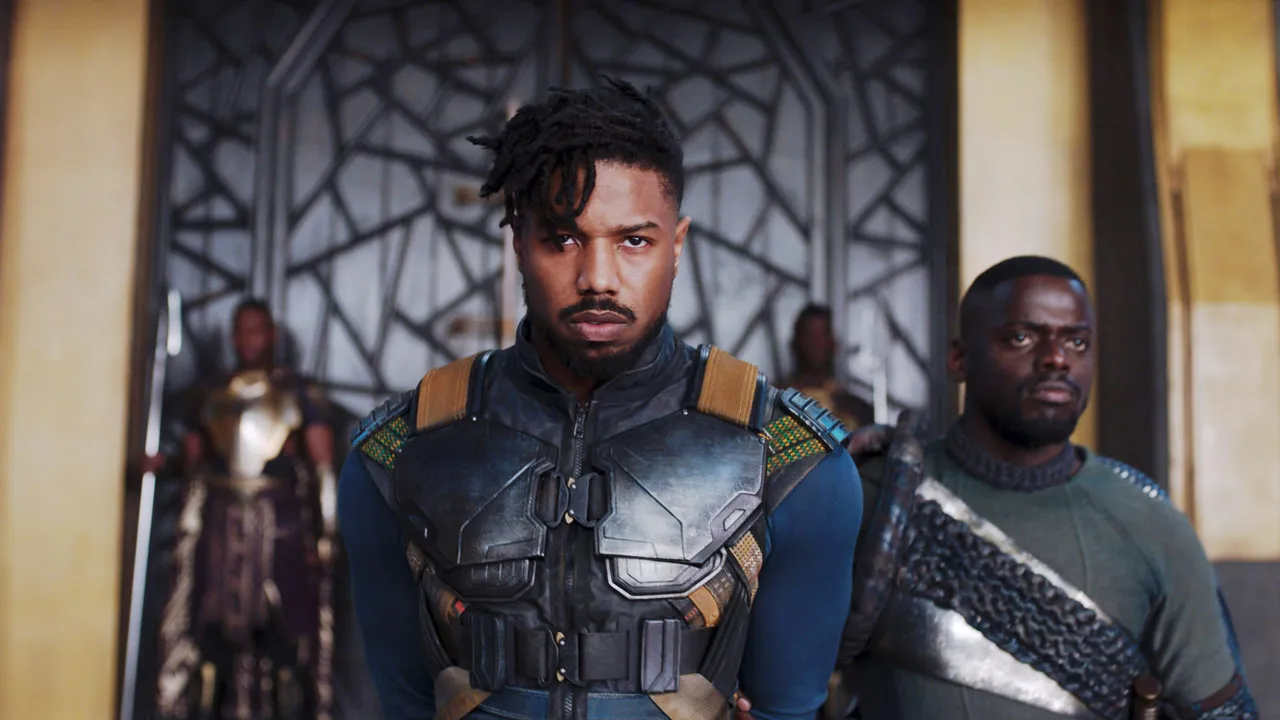
Erik Killmonger is one of the most compelling antagonists in the Marvel Cinematic Universe because his anger doesn't come from nowhere. He sees a world where Black people are suffering under oppression while Wakanda, one of the most technologically advanced nations on Earth, has the resources to help. To him, Wakanda's decision to remain hidden isn't neutrality. It's choosing comfort while others suffer.
And it's difficult to say his criticism is entirely wrong.
T'Challa eventually recognizes that Wakanda's isolation has consequences and that the country has a responsibility beyond its own borders. Killmonger's experiences expose the cost of that policy in a way the royal family has been able to avoid.
Of course, Killmonger's plan is built around domination and violence. He wants to spread weapons and turn the suffering he experienced into a new cycle of oppression. That's not liberation; it's another form of control.
But the question he forces Wakanda to confront is real. A nation with extraordinary power can't pretend its choices have no impact on the rest of the world.
Magneto — X-Men (2000 and beyond)
For much of the X-Men franchise, Magneto is presented as the dangerous opposite of Professor Charles Xavier. Xavier believes mutants and humans can coexist. Magneto believes humans will always fear mutants and eventually try to destroy them.
His methods are extreme, but the films repeatedly give him reasons to be suspicious. Mutants are hunted, imprisoned, experimented on, and treated as threats simply because of who they are. Magneto's fear isn't theoretical. He has lived through persecution, and he recognizes familiar warning signs when governments begin discussing ways to control an entire population.
The tragedy is that Magneto often responds to prejudice by embracing the same kind of hatred he claims to be fighting. He wants safety for mutants, but his willingness to sacrifice others makes peaceful coexistence even harder.
Still, his central warning remains difficult to ignore: asking a persecuted group to trust the people who fear them is not a solution by itself. Xavier's optimism needs to be backed up by meaningful protection and change.
The Vulture — Spider-Man: Homecoming (2017)
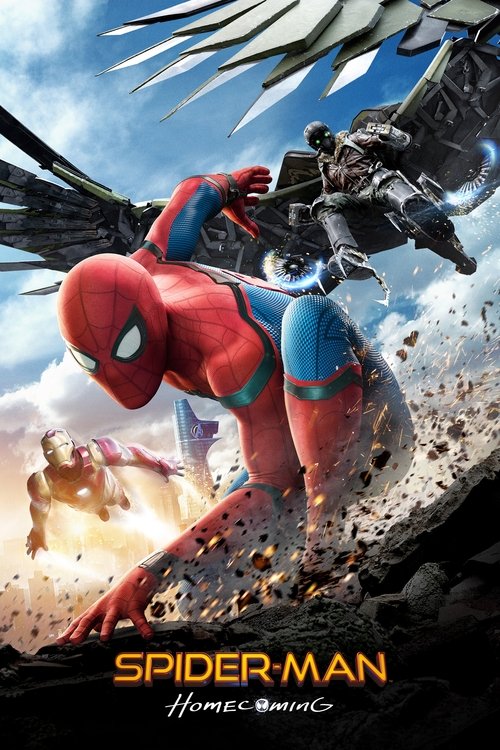
Adrian Toomes isn't trying to take over the world. He isn't planning to destroy the planet or become a god. He is a working-class contractor whose business is ruined when powerful organizations move in and take control of the cleanup work after major superhero battles.
His frustration is understandable. Toomes and his crew are left without the jobs they expected, while the people and institutions responsible for the chaos move on. He sees a system where the wealthy and powerful get to decide who benefits, and everyone else is expected to accept it.
His response, naturally, is to build dangerous weapons out of alien technology and sell them to criminals.
That is where his argument falls apart. His resentment doesn't justify putting innocent people in danger, and his criminal operation creates exactly the kind of damage he claims to resent.
But Spider-Man: Homecoming gives its villain a grounded motivation. Toomes isn't convinced he's evil. He believes he's doing what he has to do for his family and his crew. His anger at a world where the powerful make the rules is recognizable, even if his solution is indefensible.
Roy Batty — Blade Runner (1982)
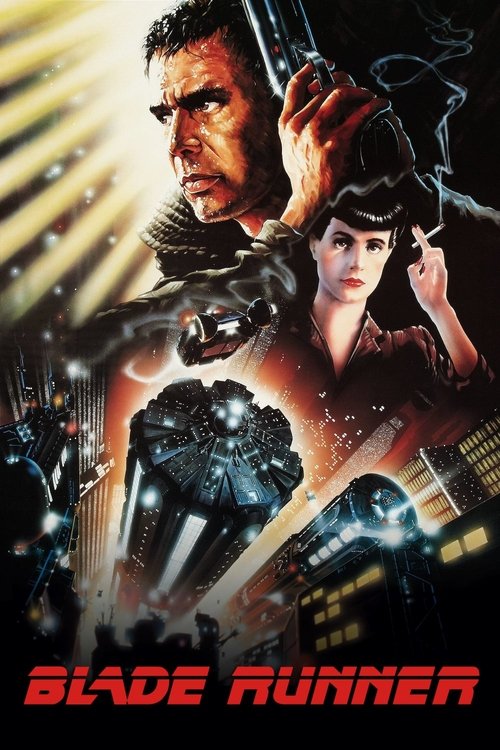
Roy Batty is introduced as a replicant who has escaped with a group of others and is being hunted by Rick Deckard. At first, he seems like a dangerous fugitive. As the film unfolds, though, the situation becomes much more complicated.
Replicants are created to work in dangerous conditions, given limited lifespans, and denied the freedom to choose their own futures. Roy is not simply fighting for power. He is trying to live longer than the people who manufactured him have decided he deserves to live.
His actions are violent, and the people he kills are not simply obstacles in an abstract argument. But the more we learn about the replicants, the harder it becomes to view them as disposable products rather than living beings.
Roy's final moments give the film its emotional weight. The character who has spent the story being treated as less than human demonstrates a depth of feeling that challenges the people hunting him. His desire to live is not villainous. It's painfully human.
Mr. Freeze — Batman & Robin (1997)
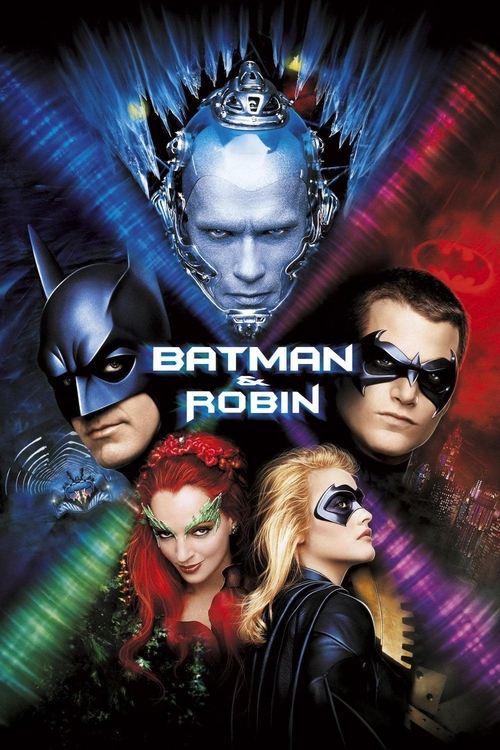
Batman & Robin is often remembered for its campy tone and ice-related one-liners, but Victor Fries has one of the more sympathetic motivations in the Batman universe. Mr. Freeze is trying to save his wife, Nora, whose illness has left her in suspended animation while he searches for a cure.
His goal is not world domination. He wants the person he loves to have another chance at life.
The tragedy is that he becomes so consumed by that mission that he is willing to freeze and kill other people to get what he needs. His grief explains his actions, but it doesn't excuse them.
What makes Freeze interesting is the contrast between the coldness of his crimes and the very human reason behind them. Underneath the ice suit is someone who cannot accept losing the person he loves. It's a heartbreaking motivation, even when his methods make him the enemy.
Syndrome — The Incredibles (2004)
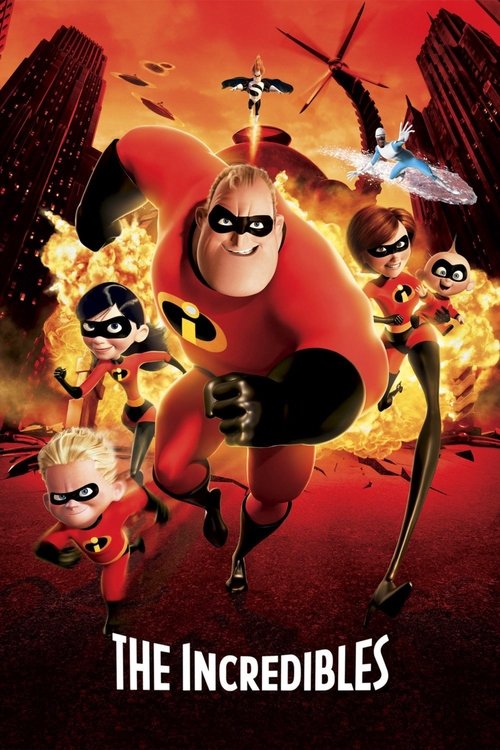
Buddy Pine's original complaint is almost comically understandable. As a child, he idolizes Mr. Incredible and wants to become his sidekick. Mr. Incredible rejects him, and Buddy is left humiliated.
That rejection helps turn him into Syndrome, a villain determined to prove that anyone can be super with the right technology. His larger argument is that superheroes shouldn't be an exclusive group of naturally gifted people. If everyone has access to the tools, everyone can be special.
There's an interesting idea buried in there. The world shouldn't have to depend on a handful of extraordinary people, and talent or power shouldn't automatically make someone more important than everyone else.
But Syndrome's plan is driven by resentment. He manufactures a threat, puts people in danger, and intends to sell technology that will eventually make his own achievements meaningless. His claim that everyone can be super is undermined by his need to be the one person standing above everyone else.
He has a point about hero worship. He just wants to replace it with a different kind of worship.
Ozymandias — Watchmen (2009)
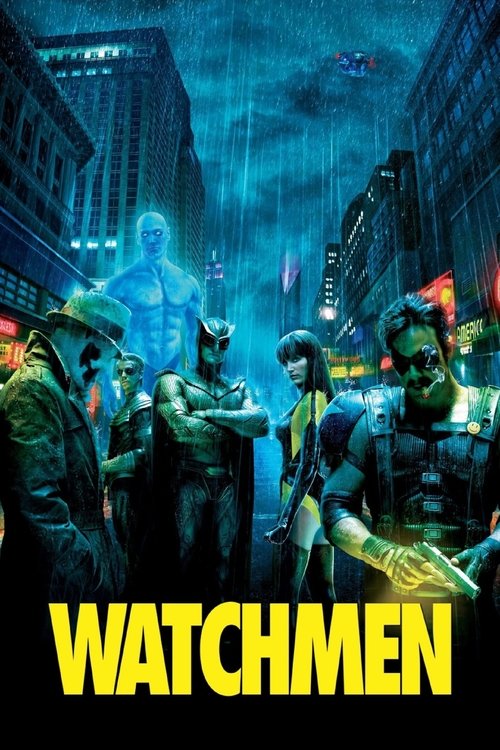
Ozymandias is one of the most disturbing examples because his plan is presented as a calculated attempt to prevent a global catastrophe. He believes the escalating conflict between world powers will end in nuclear war, killing millions or even billions of people.
His solution is horrifying: manufacture a massive shared tragedy and make the world's nations believe they have a common enemy. The plan depends on mass murder and a lie so enormous that revealing the truth could undo the peace it creates.
The film doesn't ask us to celebrate what he has done. It asks a much harder question: if an atrocity prevents an even greater one, can the result ever justify the choice?
Ozymandias may be right that the world is heading toward disaster. He may even be right that the existing leaders are incapable of stopping it. But he appoints himself the person who gets to decide whose lives can be sacrificed.
His argument is compelling precisely because there is no comfortable answer to it.
The Wicked Witch of the West — Wicked (2024)
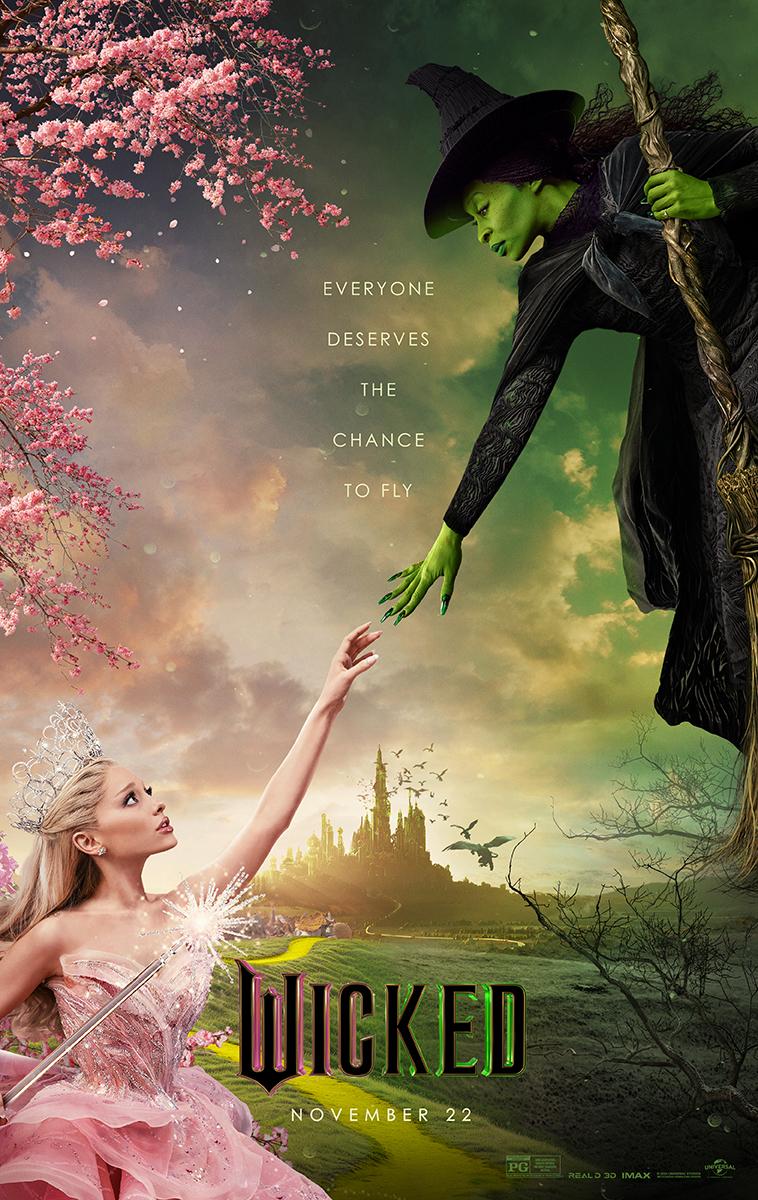
Although Wicked reframes a familiar story rather than simply retelling The Wizard of Oz, it offers a particularly clear example of how easily a villain can be created by the people in power.
Elphaba discovers that the Wizard's government is oppressing Animals and stripping them of their rights. When she refuses to cooperate, she becomes a public enemy. The label of "wicked" helps turn the public against someone whose real offense is challenging the system.
Her anger is justified. She sees injustice and refuses to pretend everything is fine just because the authorities say it is.
That doesn't mean every choice she makes is beyond criticism, but the story makes it clear that the official version of events is not necessarily the truth. Sometimes the villain is simply the person who refuses to play along.
When Having a Point Doesn't Make You the Hero
The most interesting movie villains aren't necessarily the ones with the most elaborate plans or the biggest weapons. They're the ones who make us stop and reconsider the story from another perspective.
Killmonger exposes the consequences of isolation. Magneto reminds us that fear can be based on real experience. The Vulture points to the people left behind when powerful institutions take over. Roy Batty asks why an artificial life should be treated as disposable. And Ozymandias forces us to confront the terrible difference between preventing a disaster and deciding that other people can be sacrificed to do it.
But there's an important distinction between being right about a problem and being right about what to do next.
A villain can identify a genuine injustice and still become responsible for more suffering. They can understand the problem better than the hero while being completely wrong about the solution. That's what makes these characters more interesting than simple bad guys.
Sometimes the villain was right. The truly uncomfortable part is realizing that being right was never the same thing as being good.
Comments